
|
The budget for a pleasure trip to Japan
How much for a trip to Japan post-Covid?
Published
on
Last
modified
on


We left in autumn 2023 for a 3-week trip to Japan as a group of three. This journey was not part of our long-term travel; we were still employed, and let’s just say we took the opportunity to indulge ourselves.
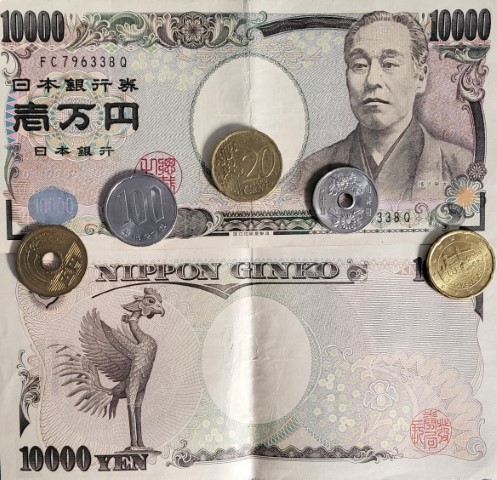
During our stay, the exchange rate was quite favorable compared to previous rates, standing at €1 for 160¥. We took advantage of this excellent exchange rate to order yen in advance of our trip: despite the commissions charged by exchange companies, we believed that this anticipation would remain beneficial and that the exchange rate would be less favorable once we would arrived in Japan. Thus, we ordered yen at a rate of €1 for 141¥ (including commission fees). Despite this poor anticipation since the exchange rate continued to improve, it at least allowed us to have cash upon our arrival and to prepare for situations where cards might not be accepted. We hardly encountered this scenario, likely because our itinerary mainly took us through major tourist cities, but depending on your route, be sure to always have some cash on hand.
Below, I share with you the details of our expenditures by category in yen and euros. Depending on the proportion of purchases made with credit cards and cash, the average exchange rate varies. If you wish to access the actual expenses in euros using the current rate, please follow this link https://g.co/kgs/9iK72Kw to access a converter. Before your departure, consult your bank to find out if they charge fees for cash withdrawals or direct payments using credit cards on-site.
The section The budget by expense category details and comments on all our expenses, while the section Global budget only shows the main figures. So if you are short on time, feel free to go directly to this part.
The budget by expense category
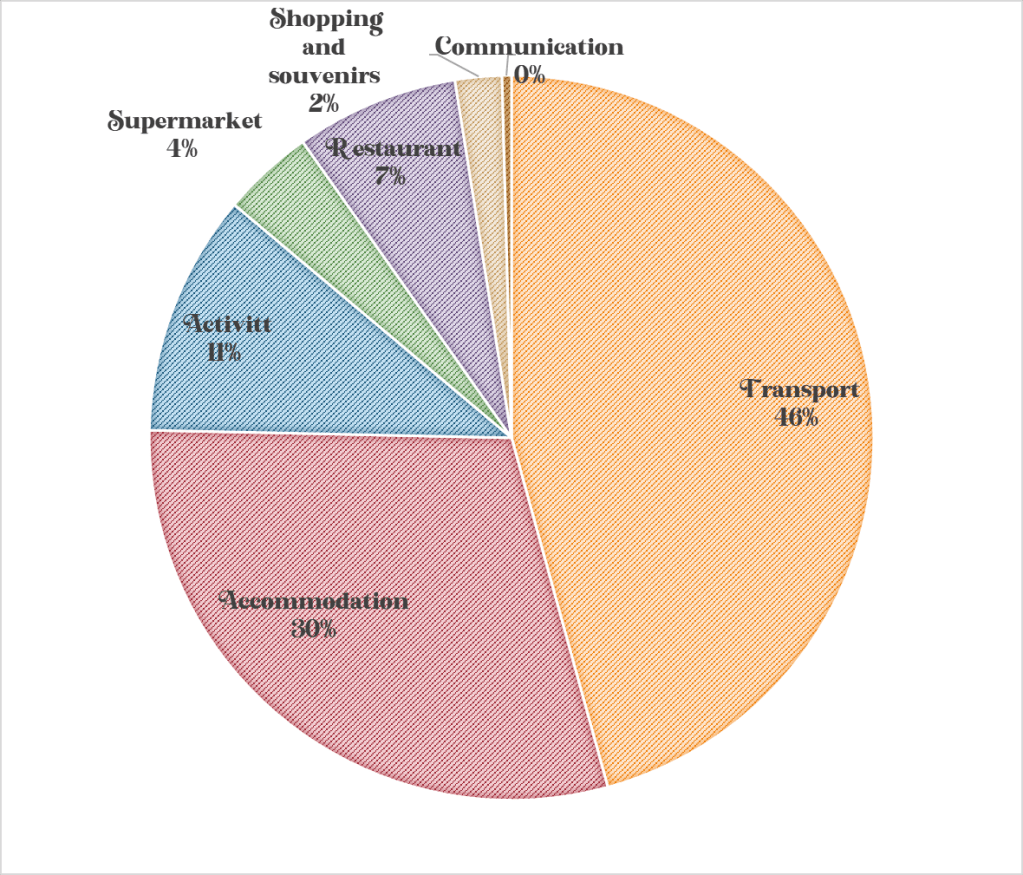
The distribution chart below shows the relative expenses across the following 7 categories listed in descending order:
– Transportation, which includes both the transport used to arrive in Japan and the transport used locally
– Accommodations
– Activities, whether it’s temple visits, tea ceremonies, or sake tastings
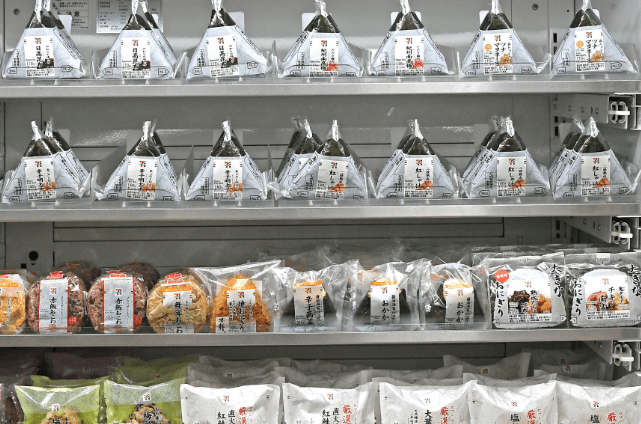
– Supermarket, which actually accounts for all the expenses made at konbinis, which were 95% food
– Restaurants, whether for dining in or grabbing a coffee or any other drink
– Shopping, which encompasses all spending related to extras, mainly souvenirs for ourselves or our loved ones
– Communication.
All of these expenses are detailedin the paragraphs below.
Transportation
Transportation represents the biggest expense with a total of €1739/person. Of course, this figure takes into account the cost of the airplane ticket. In terms of on-site expenses, we spent €439/person, which is about €20.91/person/day.
Having left just after the reopening of borders post-Covid, we were unsure of the prices we could expect. We explored extensively, and the minimum price for comfortable journeys was €1000 with Air France. Unfortunately, we expected prices to drop further, and we ultimately proceeded with the purchase when the tickets were at €1300 round trip with multiple destinations: we indeed landed in Osaka and departed from Tokyo. It’s also worth noting that prices are similar for departures from Brussels (which was the case for Kévin and Eva) and Lyon (Nicolas). This price is likely to evolve in the future for the following reasons:
– The closure of borders for several years led to particularly significant travelers influx upon reopening in 2023, driving prices up
– The circumvention of Russia due to the Ukraine war has extended our flight in both distance and time, which likely impacted prices
– In 2023, the inflationary context contributed to a generalized price increase.
We hoped that by leaving at a later date (in October instead of the highly sought-after April), we could benefit from reduced prices, but the circumstances were not in our favor.
On the contrary, opting for a multi-destination flight tended to lower prices, contrary to what we usually expect. Indeed, when searching for France-Tokyo <-> Tokyo-France or France-Osaka <-> Osaka-France flights, the fares were comparable or even slightly more expensive.
We found lower prices with Turkish Airlines: between €800 and €900 round-trip with total travel times between 25 and 30 hours with a main layover in Istanbul. Our main issue was that flights did not operate daily, and the dates did not match the days that suited us. So, if you have the time and few constraints, Turkish Airlines can be a more economical alternative.
Finally, before making our choice of Air France, we also looked at Brussels Airlines and All Nippon Airways. Among these three airlines, Air France offered the most interesting routes in terms of value for money.
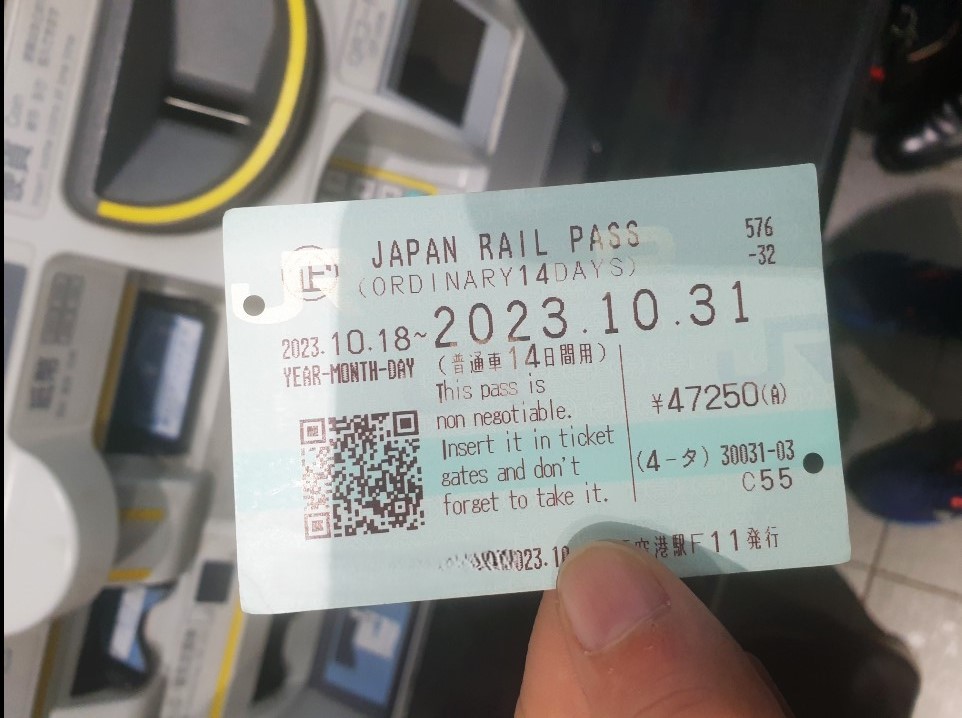
The second largest expense in the transportation category is the purchase of the JR pass for 2 weeks. We made our purchase before October 1, 2023, which allowed us to take advantage of prices before the significant indexation that occurred in 2023.
The price was then 47,250¥ per person for 14 days (approximately €298.50 at that time). We had simulated each of our trips before making our choice via this platform, and at minimum, we were looking at 49,370¥ (around €311 at that time compared to €298 with the JR pass).
As our stay lasted 3 weeks, we spent one week without a JR pass while we were in the Kansai region. This was intentional since the region offers few JR lines, and the trips we took during this time were short and consequently inexpensive.
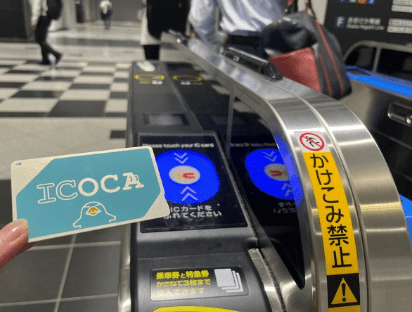
Our local transportation expenses outside of the JR pass amounted to 17,090¥/person, which is €119/person. This includes our week without a JR pass, as well as trips not covered by the JR pass and the purchase of an IC card for ¥1,500 with ¥500 preloaded.
Excluding the plane ticket, we thus had an average local transportation expense of ¥3,063 per person per day, which is about €20.90 (this corresponds to an average exchange rate of 1€ for 146¥). It’s worth noting that we moved around quite a bit, and this translates to an average of ¥218 for 100 km traveled, equivalent to €1.49 for 100 km with an exchange rate of 1€ for 146¥.
Accommodations
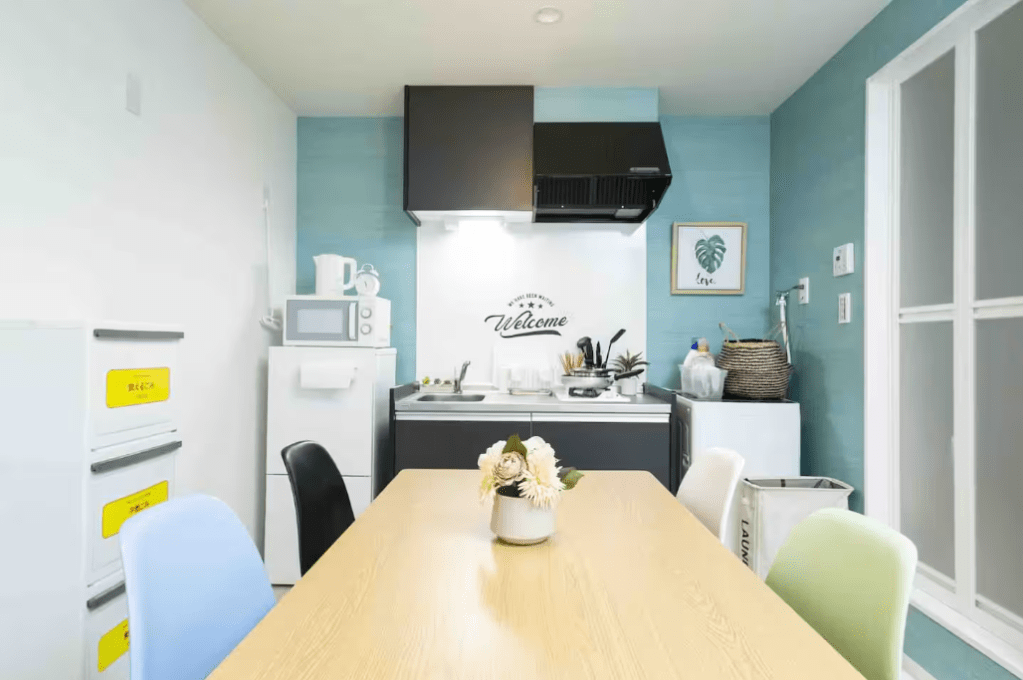
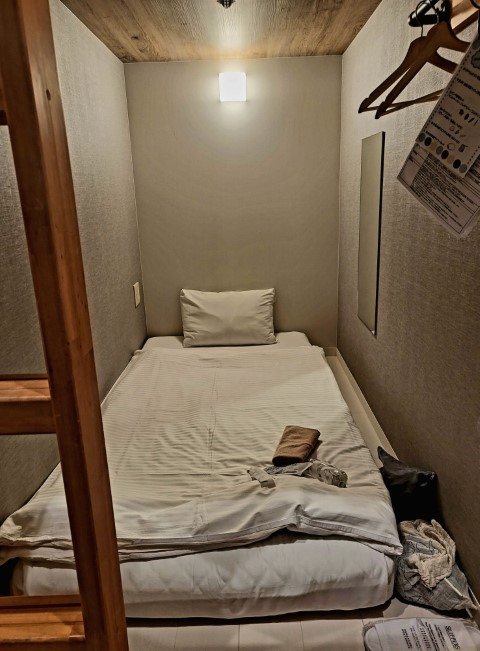
For accommodations, we primarily used the Airbnb platform. Since the prices are only indicated directly in dollars, most of the comments in this section will only mention our expenses in dollars.
Accommodations represent our second largest expense with a total of $1150/person or an average of $55/night/person.
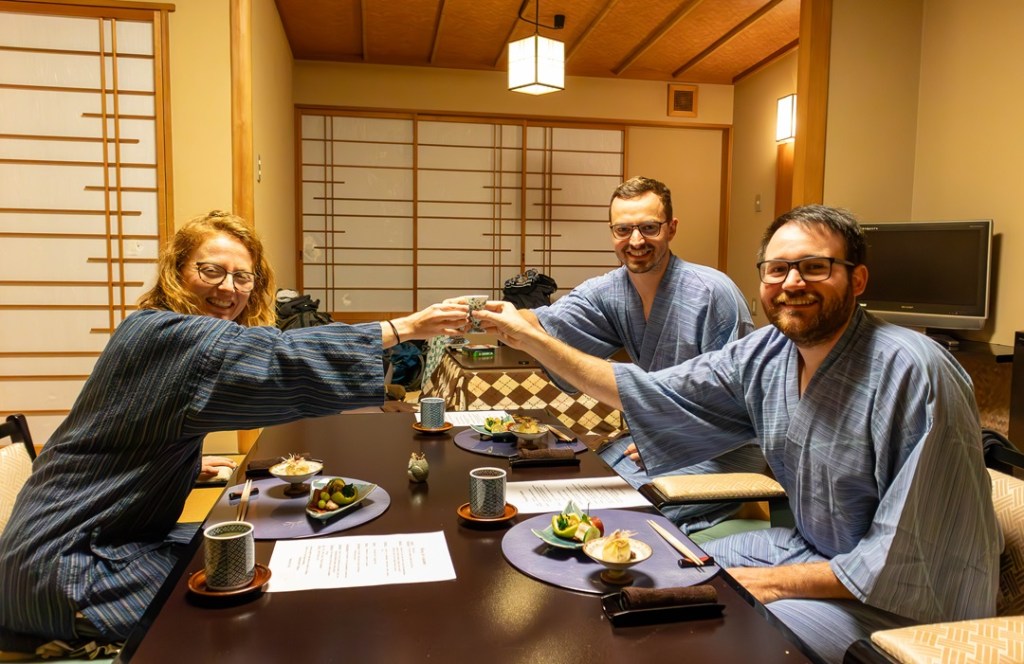
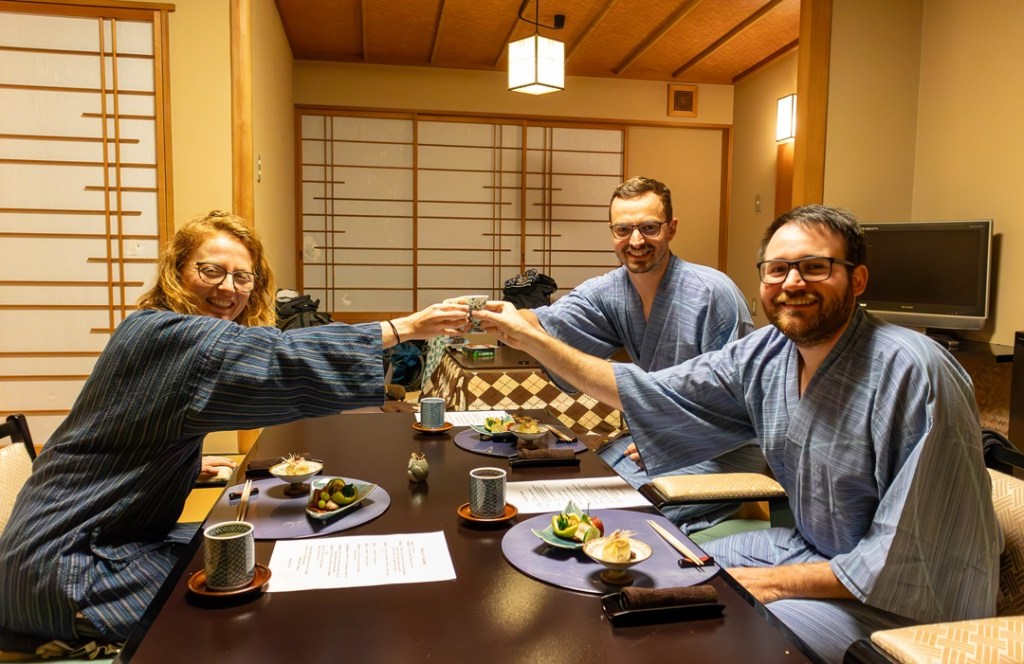
It is worth noting that we treated ourselves to a night in a ryokan, which represents an expense that you can easily avoid if you wish to limit your spending. We chose a ryokan at
$278 per night per person.
If you want to know more, feel free to read our article An unforgettable and authentic night in a ryokan.
By replacing this expense with a night at $40, we arrive at a total of $912/person, which lead to an average of $42/night/person.
Of course, these expenses can be optimized, but accommodation is still expensive in Japan and accommodation-related expenses should not be neglected.
Finally, if you too have a gluten-free diet and are looking for accommodation with a kitchen, you should have similar expenses, as most of our accommodations had one.
Activities
Regarding the activities, we had a total of $418/person. Just like for the accommodations, we booked our activity directly through platforms that only displayed prices in dollars (before proceeding, we of course verified that the prices shown were consistent with the Japanese price), which is why I sometimes present the prices only in dollars in this section.
As this expense will be very variable depending on your desires, I will not go into too much detail, but here are the activities we have treated ourselves to:
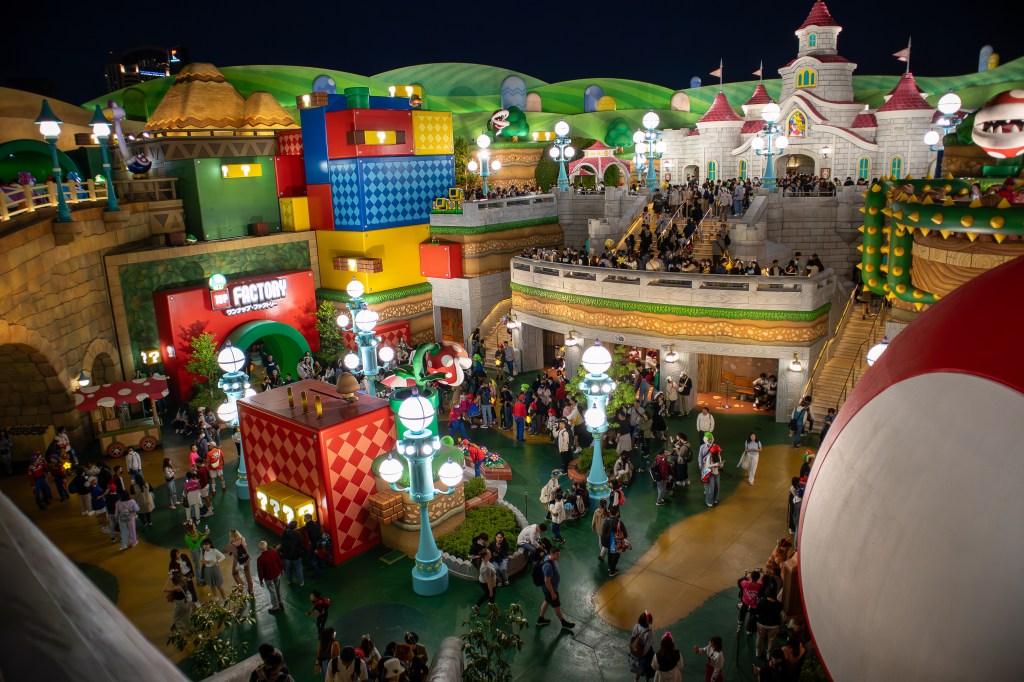
– A ticket to Universal Studios Japan with a fast pass for $217/person via Klook.
To learn more, feel free to read our article A glimpse of Osaka and lot of fun.
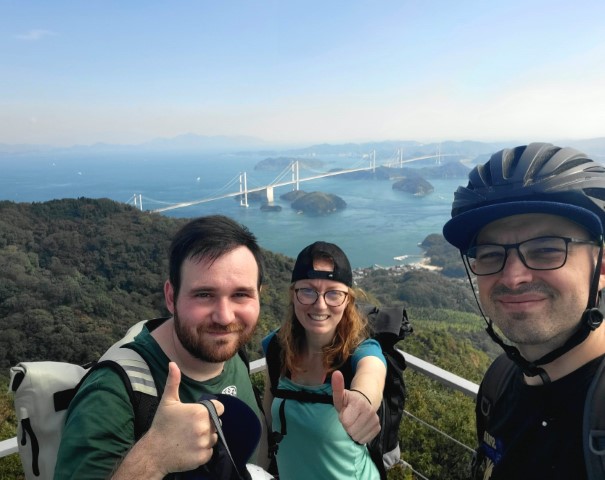
– A 2-day bike rental to cycle the Shimanami Kaido for 6000¥/person (approximately $38.65)
To learn more, feel free to read our article detailing our experience on the Shimanami Kaido.
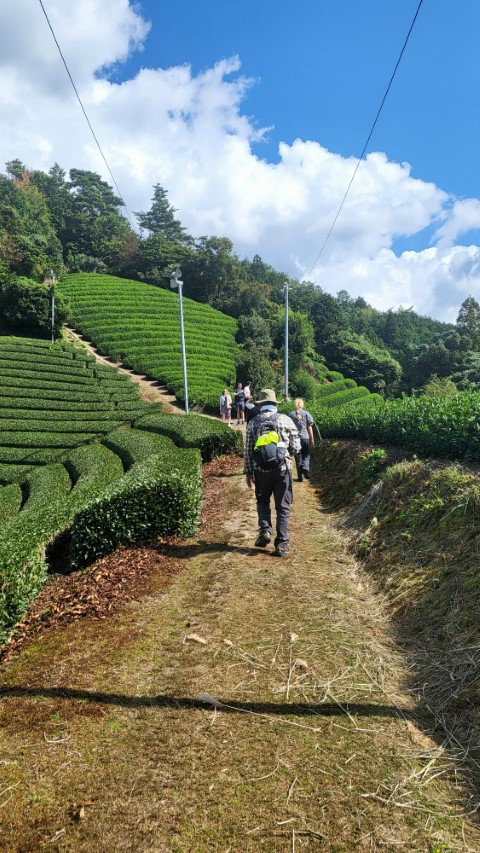
– An introduction to tea with tasting, tour of the fields and lunch included at Obubu Tea Farm for $90.15/person booked directly on their website.
To learn more, feel free to read our article 4 Days in Kyoto: Between Tradition and Modernity.
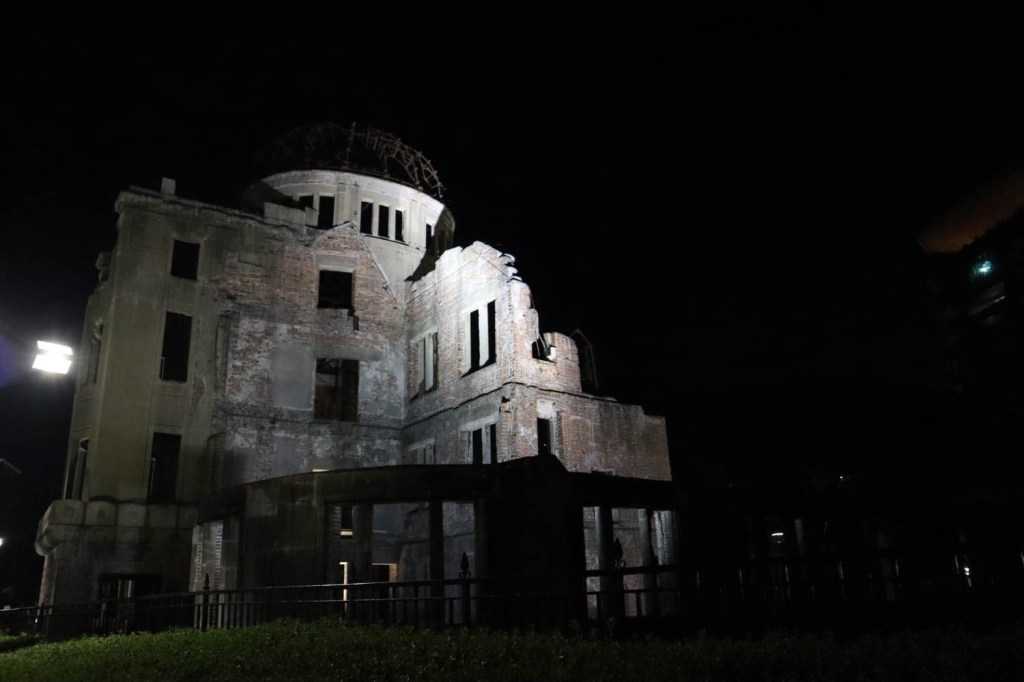
– An entry to the Peace Memorial with audio guide in Hiroshima for 600¥/person (about $4.35)
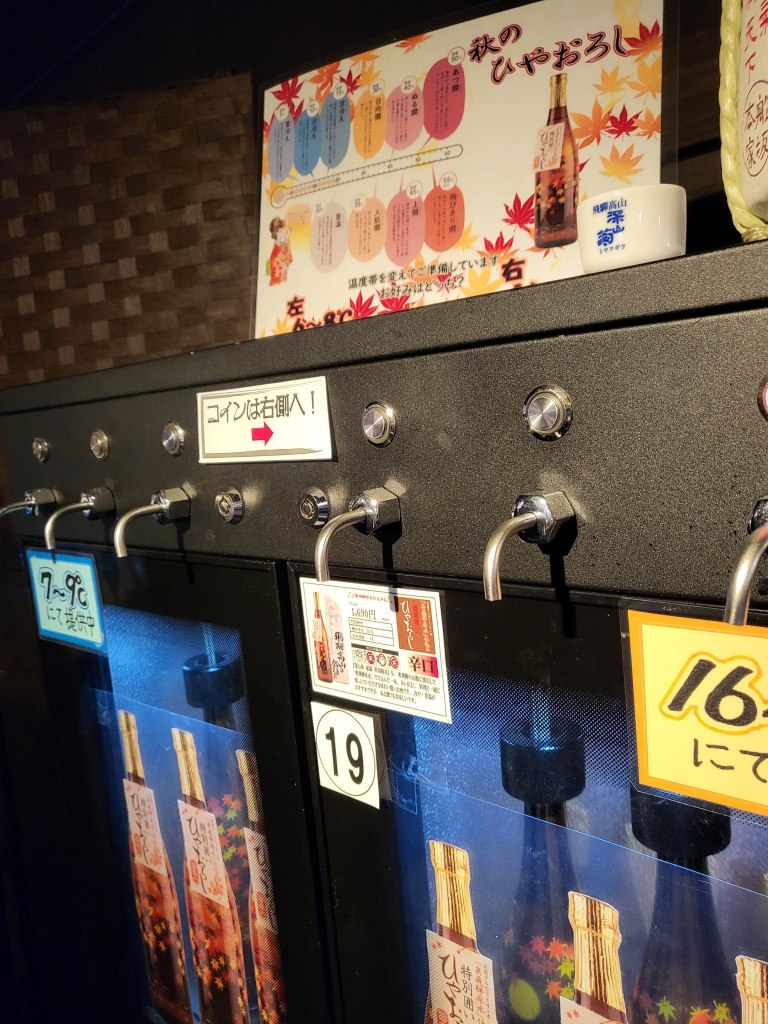
– A sake tasting in Takayama for 100¥/tasting (which is $0.60)
– The visit to Hida Folk Village costs 700¥/person (which is $5)
– An entry to TeamLabs Planet at 3800¥/person (approximately $24.50) via Klook
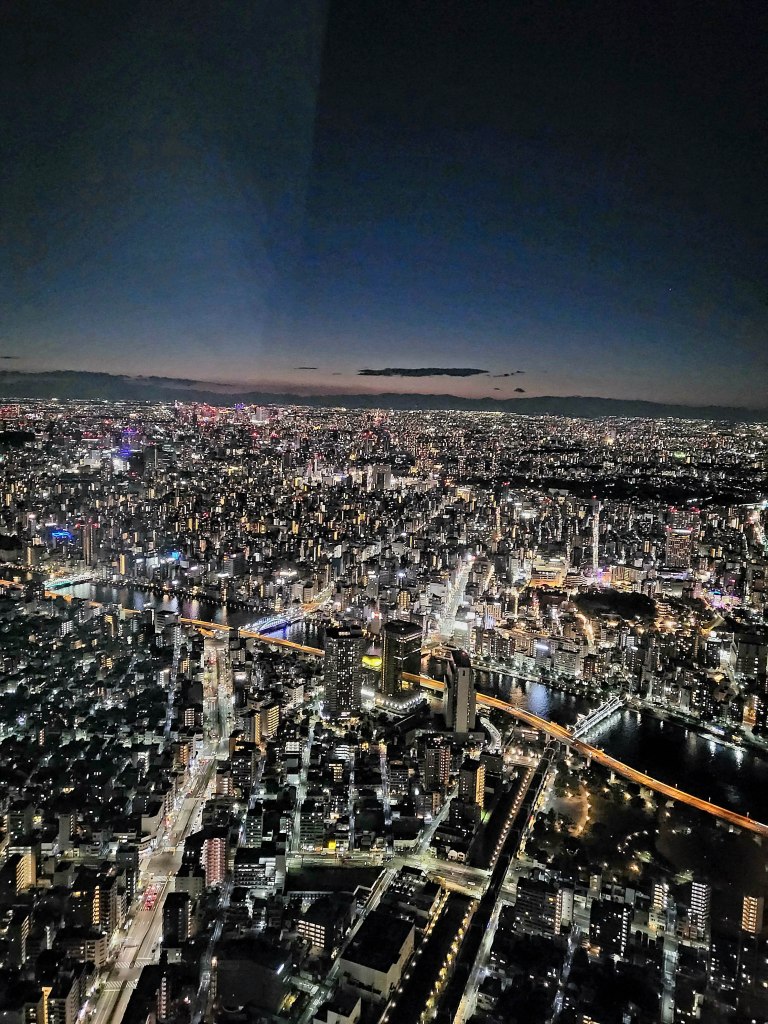
– An entry to the Tokyo Skytree is 2300¥/person (approximately $14.80)
– The visit to numerous temples and the acquisition of the associated Goshuin.
By removing the expenses related to Universal Studio Japan and the Shimanami Kaido, which are two activities that, in my opinion, not everyone will participate in, our allocated spending for activities falls to $163/person.

Food and restaurants
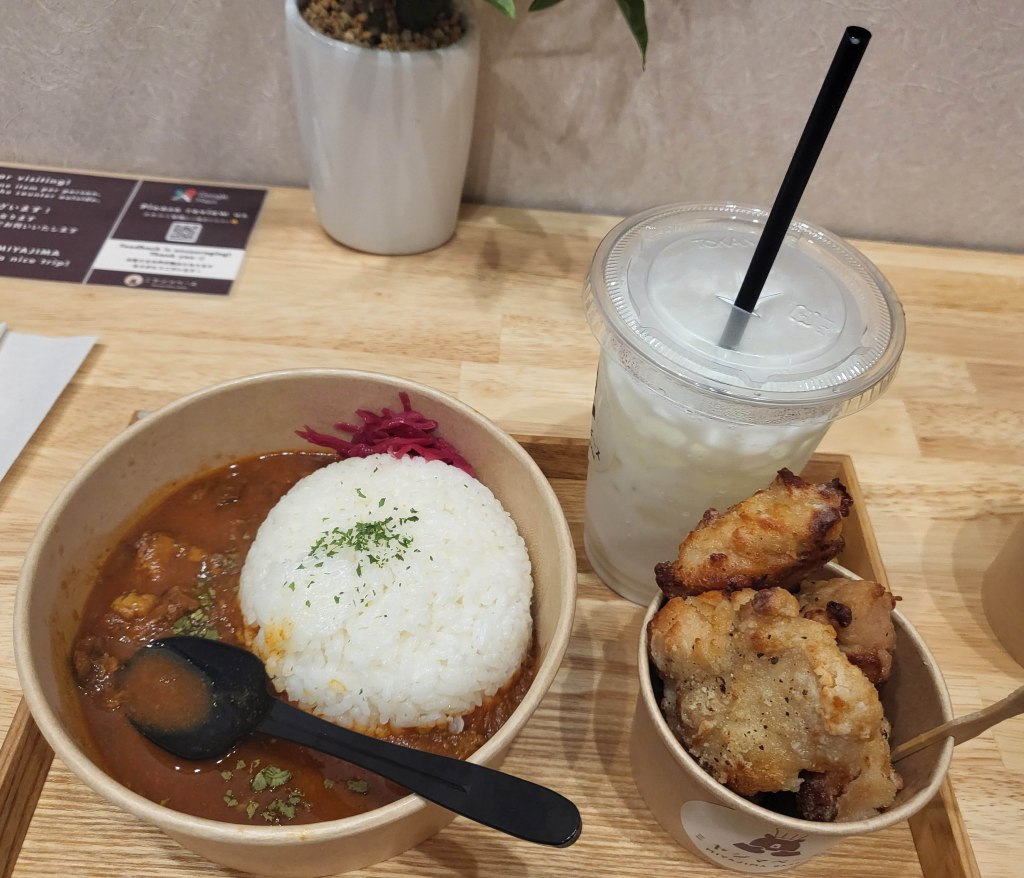
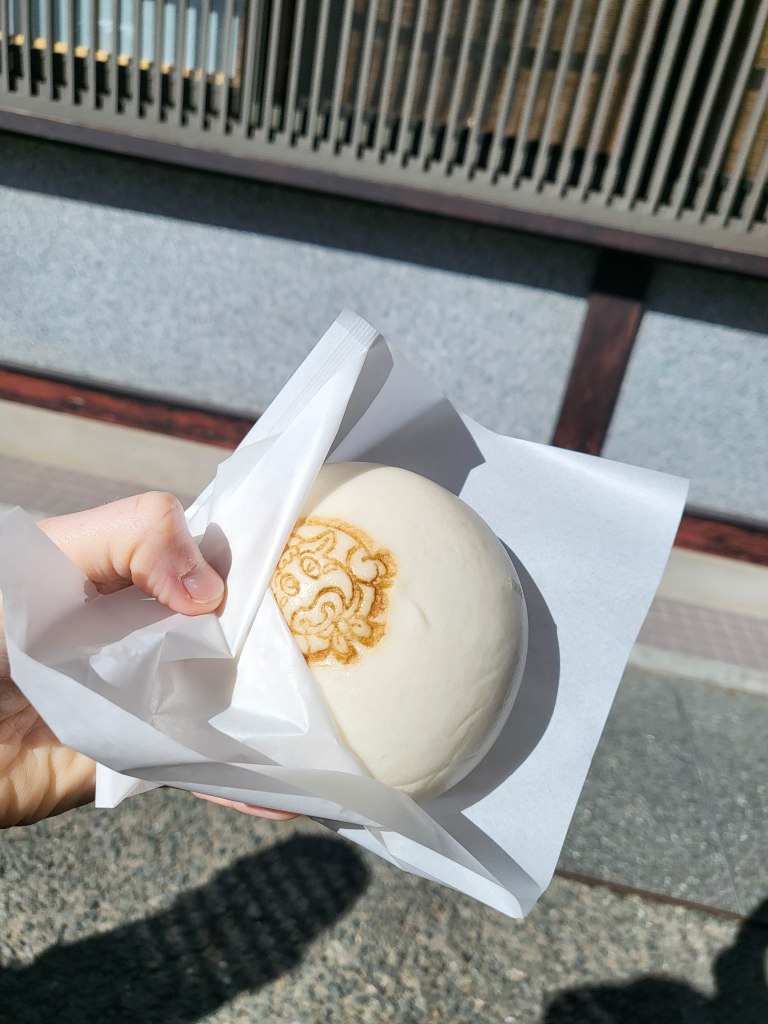
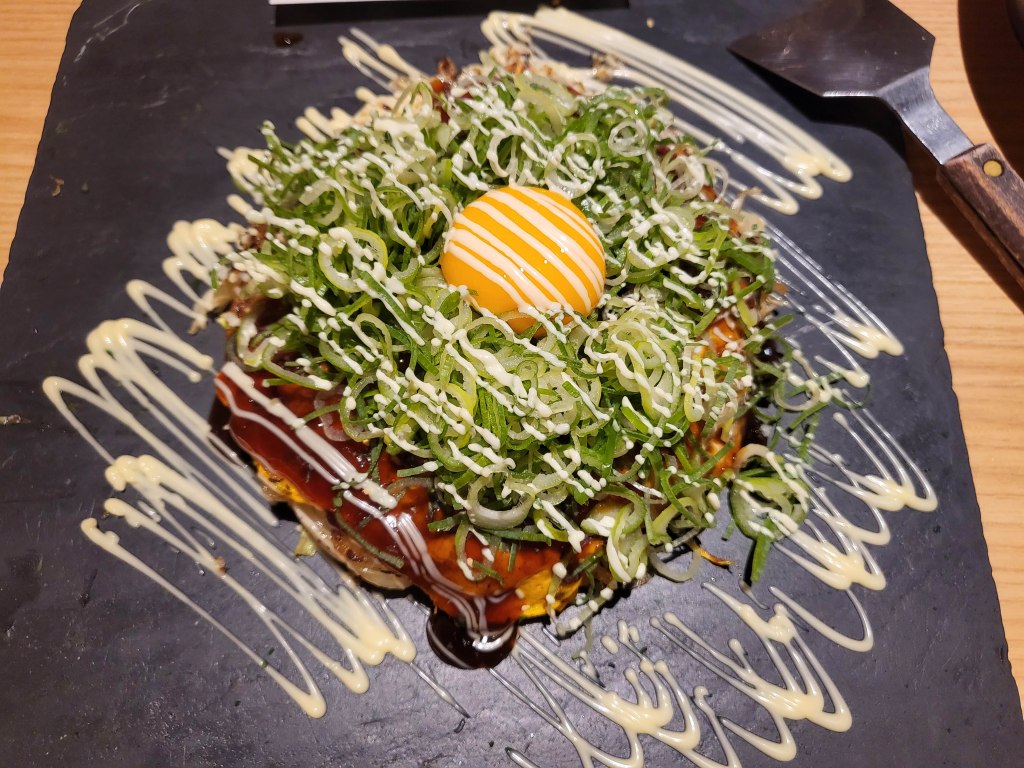
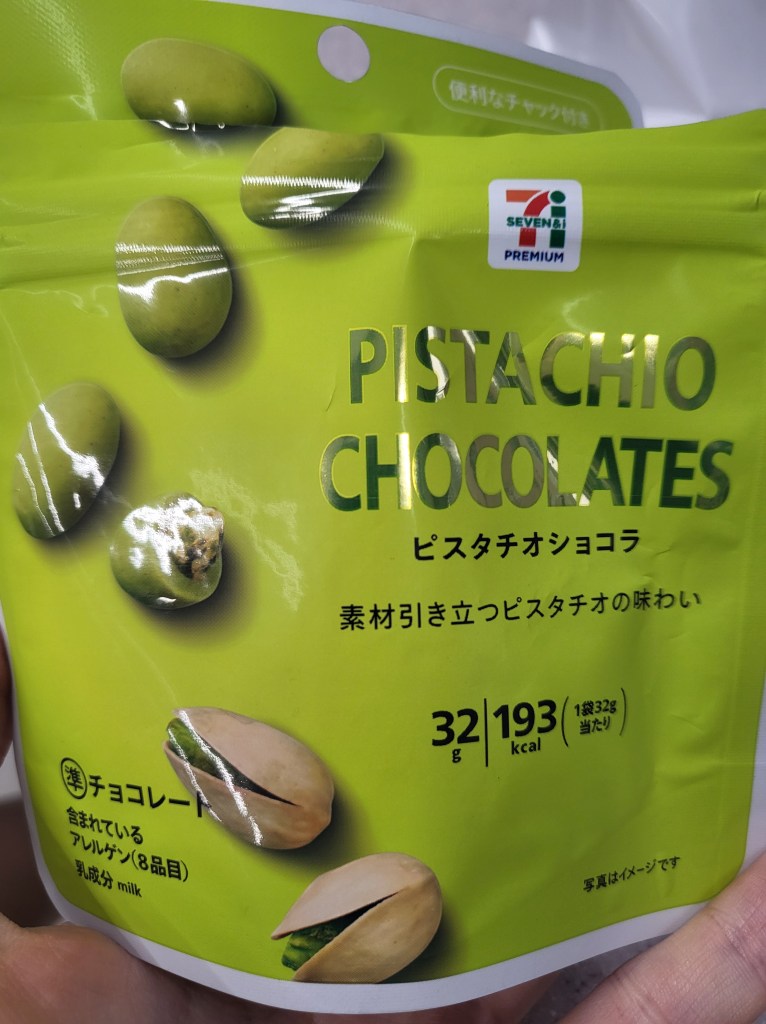
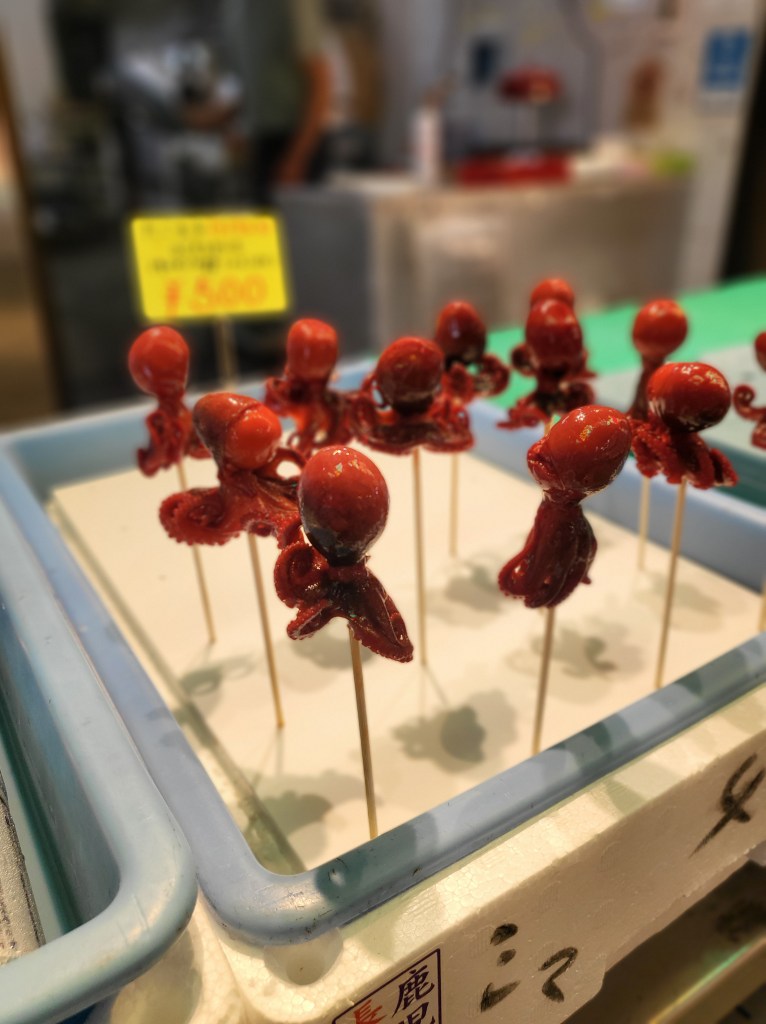
When it comes to food, we often enjoyed meals by purchasing from convenience stores (Konbini) as well as buying food from street stalls. We spent a total of 22,985¥/person which is $158/person or $7.50/day/person.
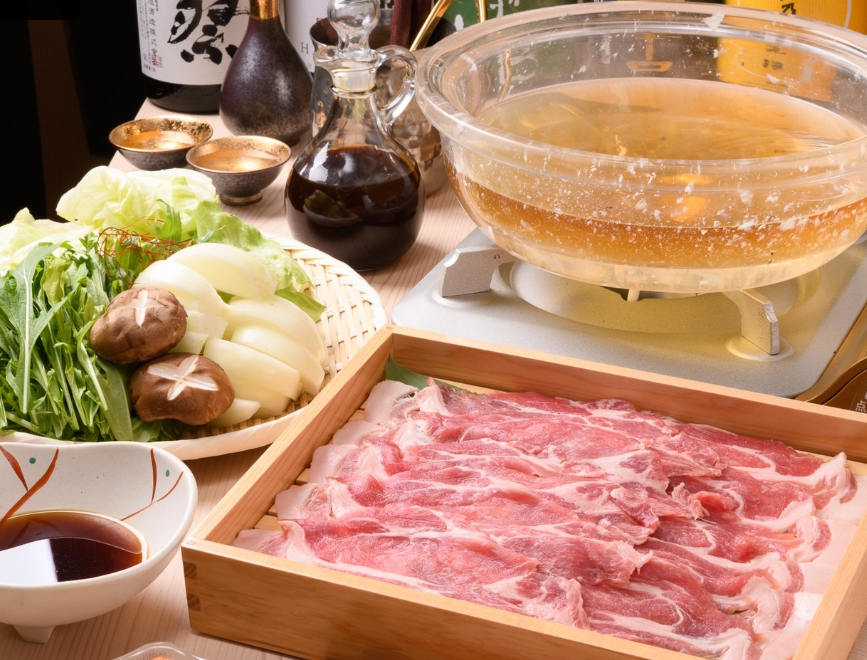
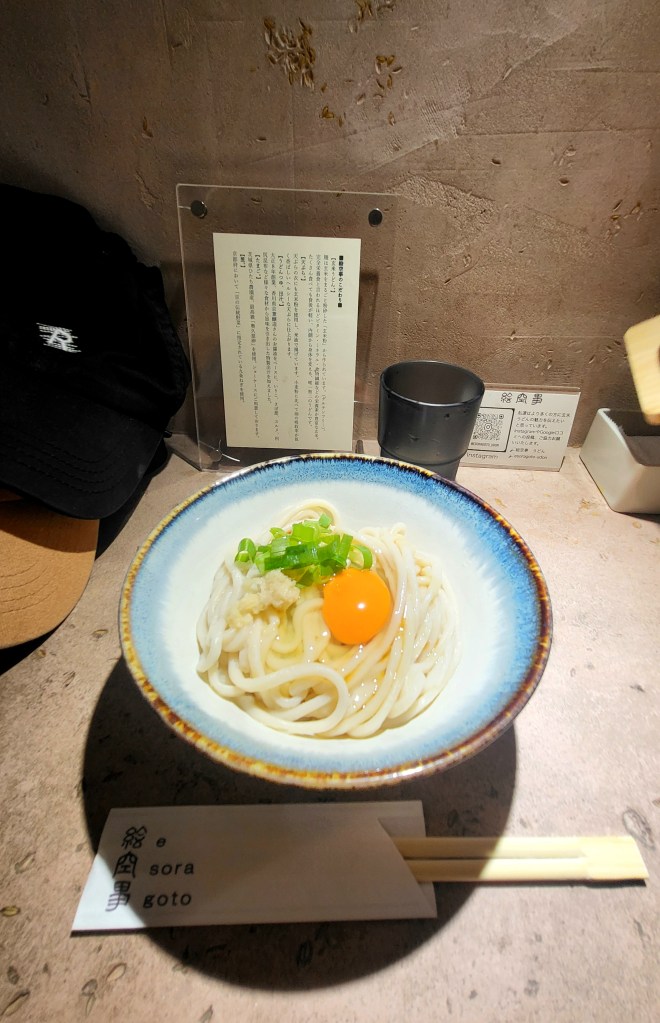
Regarding restaurants, we spent an average of 22,913¥/person which is $231.25/person or $10.80/day/person.
By adding up the food purchased from konbini, stalls, and restaurants, we arrive at an average daily cost of $18.50/person for 3 meals/day and quite often a snack (because yes, we are greedy).
As you can see, food is very accessible in a Westernized country, and it is very good. You will find flavors that you won’t find anywhere else, so indulge yourself! Also, don’t forget that I eat gluten-free, so these averages include meals in 100% gluten-free restaurants, which often (if not always) display higher prices. Therefore, for people without dietary restrictions, the budget can be even lower.




Shopping and souvenirs
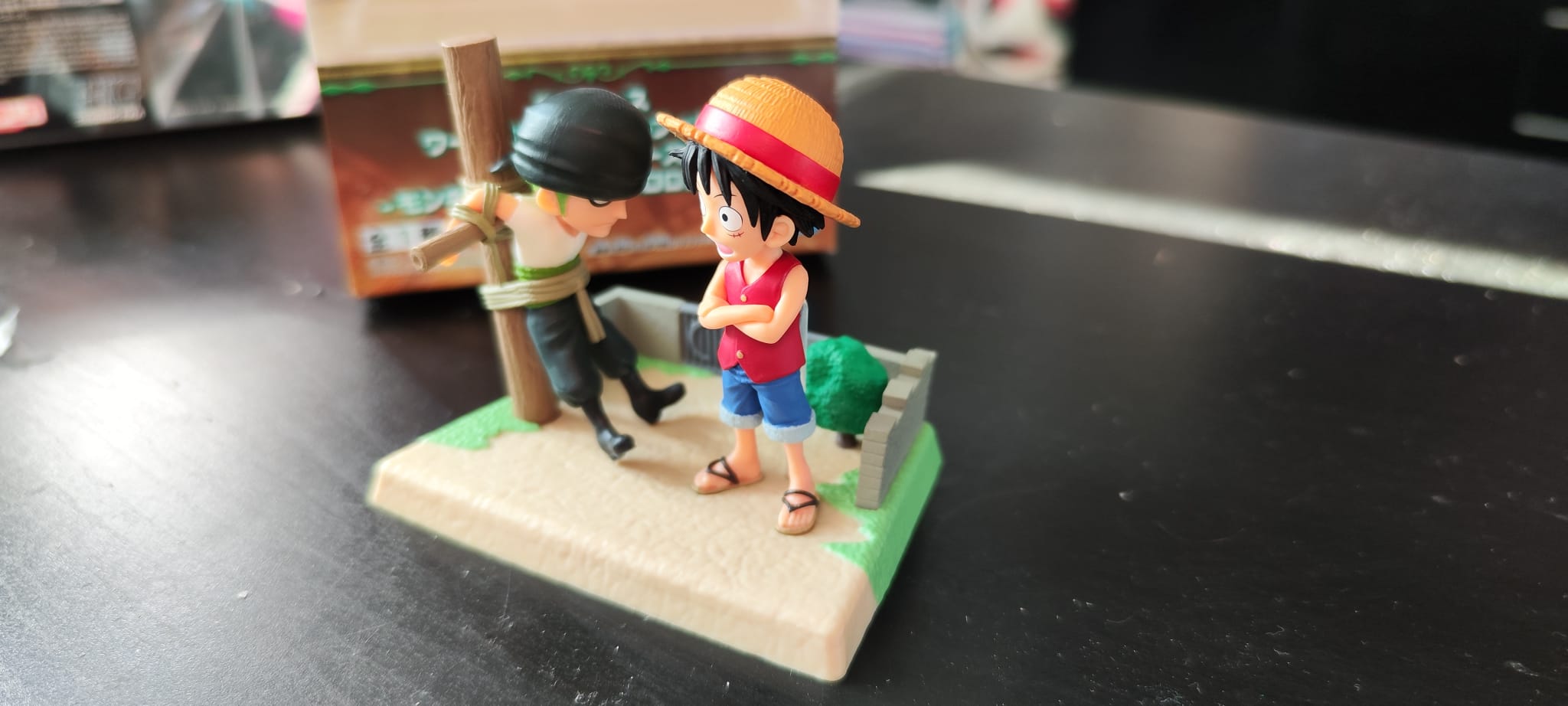
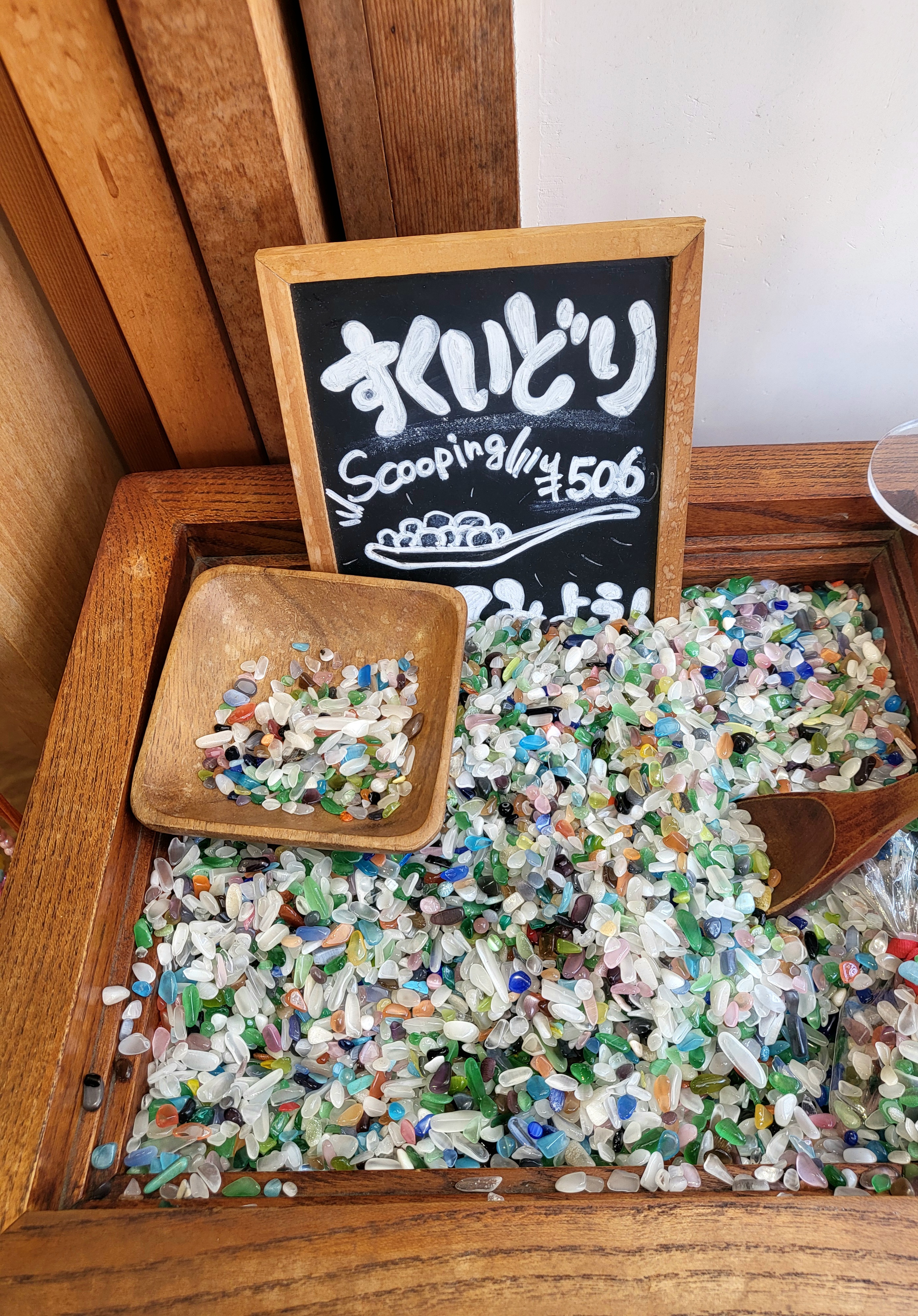
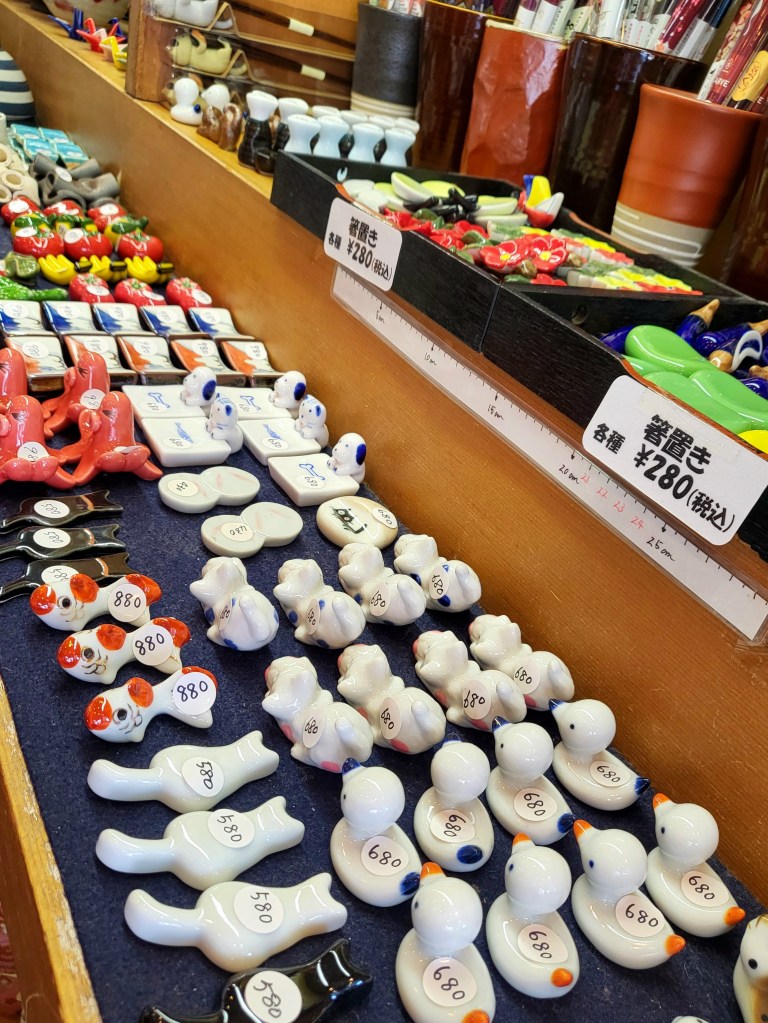
Regarding shopping and souvenirs, we spent a total of 12,583¥/person which is $80.88/person.
This includes buying souvenirs for all the members of our families as well as our friends and ourselves (especially at the Pokémon Center in Ikebukuro 🙈).
We also took advantage of buying shoes on-site because finding size 35 in France is much more complicated than in Japan. We also purchased clothes in styles different from what we would find back home. However, these expenses were not included in our total as they are not specifically related to our trip to Japan.



Communication
The communication expense line item is incidental. I listed it so that you don’t forget that to fully enjoy your trip to Japan, I advise you to find a way to have internet access during all your travels, whether it’s a portable Wi-Fi router or a SIM card.
For our part, we opted for purchasing an e-SIM from Ubigi. We paid $16.20 for 10GB valid for one month.
Finally, for most europeans, there is a 3-month visa expectation which allow to save even more money during your travel.
Global budget
You will find below a summary of our expenses in euros. If you would like to have the details in yen when available, please read the section The budget by expense category.
| Category | $/day/pers | $/pers |
|---|---|---|
| Transports (with airplane ticket) | 84.38 | 1771.96 |
| Transports (without airplane ticket) | 21.30 | 447.34 |
| Accommodations | 54.66 | 1147.68 |
| Activities | 19.92 | 418.36 |
| Supermarket | 7.55 | 158.63 |
| Restaurant | 11.65 | 244.61 |
| Shopping | 3.85 | 80.88 |
| Communication | 0.77 | 16.20 |
| Total | 204.08 | 4285.66 |
In a nutshell
I hope this article will be useful for estimating your expenses when staying in Japan. Feel free to comment and share your experience to make this article as complete as possible.
It’s important to keep in mind that we traveled during a particular period:
– right after the reopening of borders, which likely led us to pay more for our plane tickets
– at a time when the Japanese central bank decided to maintain its interest rate strategy while Europe opted to offer more attractive rates for investors, resulting in a greater depreciation of the yen against the euro
– during the release of Fukushima waters, which resulted in several countries refusing to import Japanese seafood products.


 Le goût du monde sans gluten
Laisser un commentaire